Managing Sodium Intake with Herbs and Spices
Excessive sodium consumption is a common dietary concern, particularly in the United States where processed foods and restaurant meals often contribute to high intake levels. Many health organizations recommend moderating sodium as part of a balanced approach to cardiovascular wellness. However, reducing salt does not mean sacrificing flavor. Herbs, spices, and citrus offer a wide range of aromatic and taste-enhancing properties that can help create satisfying meals while potentially supporting lower sodium intake.
This article explores practical strategies for using herbs and spices to manage sodium consumption. It discusses the role of sodium in the body, the connection between high sodium and blood pressure, and provides a framework for incorporating flavorful alternatives. The focus is on gradual, sustainable adjustments that consider individual preferences and dietary needs.
By understanding how different seasonings interact with food, individuals can make informed choices that align with their health goals. The information presented here is for educational purposes and is not a substitute for professional medical advice.
The Role of Sodium in the Body and Health Considerations
Sodium is an essential mineral that helps maintain fluid balance, nerve function, and muscle contraction. The human body requires a small amount of sodium to function properly. However, many people consume far more than the recommended daily limit. The Dietary Guidelines for Americans suggest limiting sodium to less than 2,300 milligrams per day for most adults, with further reductions advised for those with certain health conditions.
High sodium intake is commonly associated with elevated blood pressure, a risk factor for heart disease and stroke. When sodium levels are high, the body retains water, which can increase blood volume and put extra pressure on blood vessels. Over time, this may contribute to hypertension. While not everyone is equally sensitive to sodium, reducing intake is often recommended as part of a heart-healthy lifestyle.
Processed foods, such as canned soups, frozen dinners, and snack items, are major sources of sodium in the typical American diet. Restaurant meals, especially from fast-food chains, can also be high in sodium. Even foods that do not taste salty, like bread and cheese, can contain significant amounts. Therefore, reading nutrition labels and being mindful of portion sizes are important steps in managing sodium.
It is important to note that individual responses to sodium vary. Factors such as age, genetics, physical activity, and existing health conditions influence how the body handles sodium. Some people may benefit from more stringent sodium reduction, while others may have more flexibility. Consulting with a healthcare provider or registered dietitian can help personalize sodium goals.
Why Herbs and Spices Are Effective Alternatives
Herbs and spices have been used for centuries to enhance the flavor of foods. They provide complex tastes and aromas without adding sodium. Unlike salt, which primarily contributes a salty taste, herbs and spices can introduce bitterness, sweetness, warmth, and pungency. This complexity can make meals more satisfying and reduce the reliance on salt for flavor.
Additionally, many herbs and spices contain antioxidants and other beneficial compounds. For example, garlic, turmeric, and ginger have been studied for their potential health-promoting properties. While these effects are not a replacement for medical treatment, incorporating such ingredients can contribute to an overall healthful eating pattern.
Another advantage is versatility. Herbs and spices can be used in a variety of cuisines, from Italian and Mexican to Indian and Thai. They can be adapted to personal taste preferences, making the transition to lower-sodium cooking more enjoyable. Fresh, dried, and frozen forms are all effective, though their potency may differ.
Citrus juices and zests, such as lemon, lime, and orange, are also valuable. Their acidity can brighten dishes and mimic the flavor-enhancing effect of salt. Vinegars, such as balsamic and apple cider, offer similar benefits. Combining these with herbs and spices can create robust flavor profiles that stand on their own.
Practical Strategies for Reducing Sodium with Flavorful Seasonings
Transitioning to a lower-sodium diet is a gradual process. Sudden drastic reductions may lead to dissatisfaction and a return to old habits. Instead, aim to reduce salt incrementally over weeks or months. This allows taste buds to adjust and makes healthier choices more sustainable.
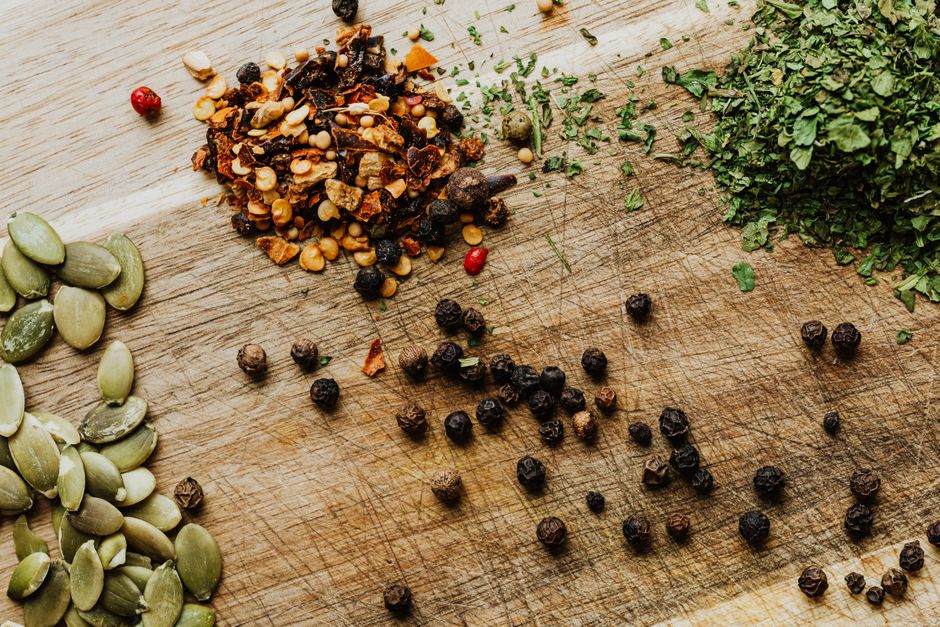
Start by experimenting with salt-free seasoning blends. Many commercial blends are available, but making your own allows you to control the ingredients and avoid additives. A basic blend might include garlic powder, onion powder, paprika, black pepper, and dried herbs like oregano and thyme. Use these generously to season meats, vegetables, and grains.
Enhance dishes with acidic elements. A squeeze of lemon juice over fish or vegetables can replace some of the salt. Similarly, a splash of vinegar in soups or stews can add depth. Citrus zest can be used in marinades, salad dressings, and baked goods.
Consider the timing of seasoning. Adding herbs and spices during cooking allows their flavors to meld and develop. However, some delicate herbs, like basil and cilantro, are best added near the end of cooking or as a garnish to preserve their freshness. Toasted spices can also intensify their aroma.
Use umami-rich ingredients to add savory depth without sodium. Mushrooms, tomatoes, and seaweed are natural sources of umami. A small amount of low-sodium soy sauce or tamari can be used sparingly. Nutritional yeast is another option that provides a cheesy flavor without salt.
Gradually reduce salt in recipes. If a recipe calls for one teaspoon of salt, try using three-quarters of a teaspoon, then half. Your palate may not notice the difference, especially if other seasonings are increased. Keep track of what works and adjust accordingly.
Building a Personal Flavor Toolkit
Creating a repertoire of favorite flavor combinations can simplify lower-sodium cooking. Consider keeping a well-stocked spice rack with commonly used items. Essential herbs and spices include black pepper, garlic powder, onion powder, paprika, cumin, coriander, cinnamon, and oregano. These form the foundation for many dishes.
Explore international cuisines that traditionally use less salt and more herbs and spices. For example, Mediterranean cooking often features lemon, garlic, and oregano. Indian cuisine uses a blend of spices like cumin, coriander, and turmeric. Mexican dishes may incorporate lime, cilantro, and chili powder. Adapting these flavor profiles can inspire new meals.
Keep a journal of successful experiments. Note which combinations you enjoy and how much salt was used. This record can help you refine your approach and ensure you are meeting your sodium goals. It can also serve as a reference for future meals.
Involve family members in taste-testing. Different palates may prefer different seasonings. By involving others, you can find compromises that satisfy everyone. This collaborative approach can increase acceptance of lower-sodium meals.
Lastly, be patient. Changing dietary habits takes time. Celebrate small successes and don’t be discouraged by occasional setbacks. The goal is progress, not perfection.
Considerations for Specific Health Conditions and Medications
For individuals with hypertension, heart disease, or kidney disease, sodium management is often a critical component of treatment. However, the appropriate level of sodium reduction varies. Some medications, such as diuretics, can affect electrolyte balance, so sodium intake should be monitored in consultation with a healthcare provider.
Herbs and spices can interact with certain medications. For example, garlic and ginger may have blood-thinning effects. Turmeric may interact with blood sugar-lowering drugs. While culinary amounts are generally considered safe, concentrated supplements could pose risks. It is advisable to discuss any significant dietary changes with a healthcare professional.
Older adults may have altered taste perception and may need to adjust seasoning levels. Similarly, pregnant women and children have unique nutritional needs. A registered dietitian can provide tailored guidance.
In summary, managing sodium intake with herbs and spices is a practical and enjoyable approach. It allows for flavorful meals while supporting health goals. By understanding the role of sodium, leveraging the benefits of herbs, spices, and citrus, and applying gradual strategies, individuals can take meaningful steps toward better blood pressure management and overall well-being.