Weekly Meal Prep for Busy Professionals
For many busy professionals in the United States, maintaining a balanced diet during a hectic workweek can be a significant challenge. Long hours, commuting, and unexpected obligations often lead to last-minute food decisions that may not align with nutritional goals. Weekly meal prep offers a structured approach to planning and preparing meals in advance, which can help streamline daily routines and support consistent eating habits. By dedicating a few hours each week, individuals can create a framework that simplifies food choices and reduces the need for spontaneous decisions.
This article explores the process of weekly meal prep, focusing on simple recipes, portion control, and smart storage techniques. It outlines a step-by-step method that can be adapted to various dietary preferences and schedules. The goal is to provide a neutral, informational overview that emphasizes methodology and transparency, without promoting specific outcomes or making guarantees. The approaches discussed are intended to serve as a general guide, and individual results may vary based on personal circumstances and adherence to the process.
Before beginning any meal prep routine, it is important to consider personal nutritional needs, allergies, and any medical conditions. Consulting with a healthcare professional or registered dietitian can provide personalized guidance. NutriGuide offers general information on balanced eating, but it does not replace professional advice. The following sections outline key considerations and steps for planning and executing a weekly meal prep strategy.
Planning Your Weekly Menu
The first step in weekly meal prep is to plan a menu that covers the desired number of meals and snacks for the week. This involves selecting recipes that are simple to prepare, store well, and align with general nutritional principles. A balanced meal typically includes a source of protein, complex carbohydrates, vegetables, and healthy fats. When planning, consider variety to help prevent monotony and to cover a range of nutrients. It may be helpful to review weekly schedules and identify days when meals will be eaten at home versus on the go.
Start by choosing a few base recipes that can be easily scaled and modified. For example, a grain bowl with roasted vegetables and a protein can be adapted with different sauces and toppings. Similarly, a large batch of soup or chili can serve as multiple lunches or dinners. To simplify, many people use a template such as: two to three breakfast options, two to three lunch options, and three to four dinner options, with snacks as needed. This reduces decision fatigue and makes grocery shopping more efficient.
When selecting recipes, consider the shelf life of ingredients and the intended storage duration. Some foods, like leafy greens and certain cooked proteins, may not maintain quality for a full week, so plan to consume those earlier or use preservation methods. Additionally, account for any dietary restrictions or preferences, such as vegetarian, gluten-free, or low-sodium options. Writing down the menu and creating a shopping list can help ensure that all necessary ingredients are on hand. This planning phase is crucial for a smooth execution and can be adjusted based on experience and feedback.
Simple Recipes for Meal Prep
Simple recipes are the foundation of efficient meal prep. They typically require minimal ingredients, limited cooking techniques, and can be prepared in large batches. Examples include sheet-pan meals, where protein and vegetables are roasted together on a single pan; one-pot dishes like stews, curries, or pasta; and grain-based salads that can be assembled ahead. These recipes often rely on staple ingredients that are easy to stock, such as rice, quinoa, beans, eggs, and frozen vegetables.
When choosing recipes, consider the balance of macronutrients and micronutrients. A common approach is to aim for a mix of protein, fiber-rich carbohydrates, and healthy fats in each meal. For instance, a breakfast option might be overnight oats with Greek yogurt, chia seeds, and berries. A lunch could be a quinoa salad with chickpeas, cucumber, tomatoes, and a lemon-tahini dressing. Dinner might be baked chicken with sweet potatoes and broccoli. These recipes can be multiplied to yield multiple portions.
To keep preparation manageable, it is often helpful to focus on recipes that share similar ingredients or cooking methods. For example, if roasting vegetables for one dish, prepare extra to use in another. Cooking grains in bulk can serve as a base for several meals. Additionally, using tools like a slow cooker or pressure cooker can reduce active cooking time. It is important to note that recipe choices should be tailored to individual taste preferences and nutritional needs. Experimenting with different flavor profiles can help maintain interest over time.
Portion Control and Balanced Nutrition
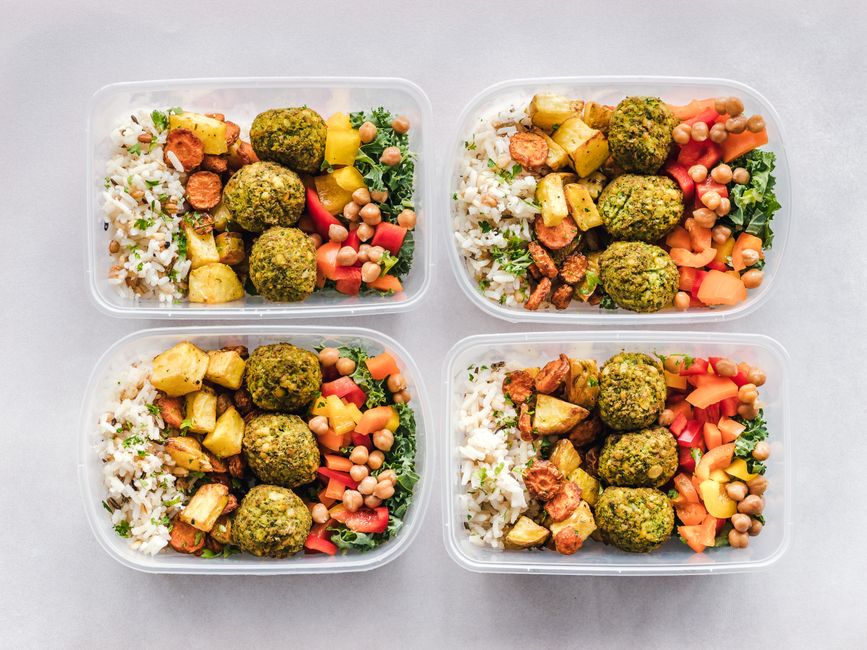
Portion control is a key component of meal prep that supports balanced nutrition. It involves determining appropriate serving sizes based on individual energy needs, activity level, and health goals. Using standardized containers can help visualize portions and prevent overeating. A common guideline is to fill half the container with vegetables, one quarter with lean protein, and one quarter with complex carbohydrates. This visual method can be adjusted according to specific dietary advice.
When preparing meals, it is useful to measure ingredients rather than estimate, especially when first starting. This practice can improve accuracy and consistency. For example, using a food scale for proteins and grains, and measuring cups for liquids and fats, can help calibrate portions. Over time, individuals may become more adept at estimating without tools. It is important to remember that portion sizes are not one-size-fits-all; they depend on factors such as age, sex, weight, and physical activity. Therefore, personalization is essential.
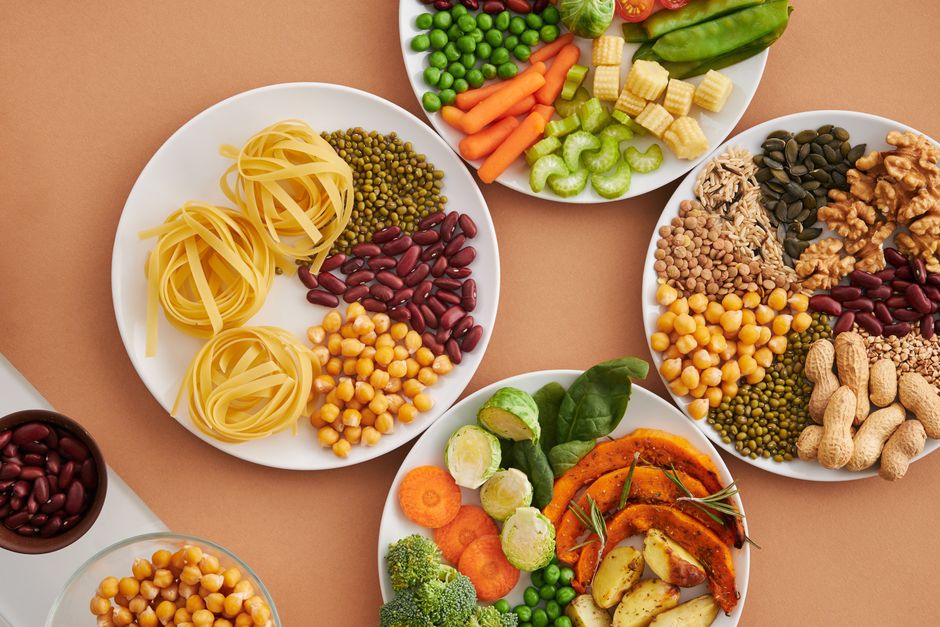
Balanced nutrition also involves considering the quality of ingredients. Opt for whole, minimally processed foods when possible. Include a variety of colors in vegetables to cover different vitamins and minerals. Choose lean protein sources such as poultry, fish, beans, and tofu. Select whole grains like brown rice, oats, and whole-wheat pasta. Healthy fats from sources like olive oil, avocados, and nuts can be included in moderation. Hydration is also important, so plan to drink water throughout the day. These general principles can guide meal composition, but individual needs may vary.
Smart Storage Techniques
Proper storage is critical to maintaining food safety and quality throughout the week. After cooking, allow hot foods to cool slightly before refrigerating to prevent condensation and bacterial growth. Divide meals into portion-sized containers and seal them well. Use airtight containers to keep food fresh and prevent leaks. Glass containers are a popular choice as they are durable, do not retain odors, and can be used in the oven, microwave, and dishwasher. However, any food-safe container with a tight-fitting lid is suitable.
Refrigeration at or below 40°F (4°C) is recommended for perishable foods. Most cooked meals can be stored in the refrigerator for three to four days. For longer storage, freezing is an option. Freeze meals in freezer-safe containers or bags, removing as much air as possible to prevent freezer burn. Label containers with the date and contents to keep track of freshness. When reheating, ensure that leftovers are heated to an internal temperature of 165°F (74°C) to ensure safety.
Organize the refrigerator and freezer to prioritize older items first. This practice, often called FIFO (first in, first out), helps reduce waste. Keep a designated area for meal prep containers so they are easy to grab. Some foods, such as cut fruits and vegetables, may benefit from specific storage methods. For example, storing herbs in a jar with water or wrapping leafy greens in a paper towel can extend freshness. These techniques can be adapted based on the types of foods being stored.
Adapting Meal Prep to Your Lifestyle
Weekly meal prep can be customized to fit different lifestyles and preferences. For those with limited time, a modular approach may work well: prepare components separately and assemble meals throughout the week. This allows for flexibility and variety. For example, cook a batch of protein, a batch of grains, and a batch of roasted vegetables, then combine them in different ways. Another option is to prep only for certain meals, such as lunches, while leaving dinners more flexible.
Consider the frequency of meal prep. Some people prefer to prep once a week, while others may do a mid-week refresh to maintain freshness. Batch cooking on weekends is common, but splitting tasks over two days can also be effective. It may be helpful to start small and gradually increase the number of meals prepared as confidence and routine develop. Additionally, involving family members or roommates can distribute the workload and make the process more enjoyable.
It is important to listen to your body and adjust portion sizes and food choices accordingly. Meal prep is a tool to support nutritional goals, but it should not become a source of stress. If a particular week becomes overwhelming, it is acceptable to simplify or use convenience items as needed. The overall aim is to create a sustainable system that works for the individual. NutriGuide provides general information that can be adapted, but personal circumstances should always be considered.
Conclusion and Key Takeaways
Weekly meal prep is a structured approach that can help busy professionals plan and prepare balanced meals in advance. By focusing on simple recipes, portion control, and smart storage, individuals can create a system that supports consistent eating habits. The process involves planning a menu, selecting recipes, preparing food in batches, portioning meals, and storing them properly. While these steps can streamline daily routines, outcomes depend on various factors including personal adherence, food safety practices, and individual nutritional needs.
It is essential to approach meal prep as a flexible framework rather than a rigid rule. Adjustments can be made based on schedule, preferences, and feedback. Seeking professional guidance for specific dietary concerns is advisable. The information provided here is for general informational purposes and does not constitute medical or nutritional advice. NutriGuide encourages individuals to make informed decisions in consultation with qualified professionals.