How to Read Nutrition Labels for Better Choices
Nutrition labels are designed to provide consumers with standardized information about the nutrient content of packaged foods. In the United States, the Nutrition Facts label is required by the Food and Drug Administration (FDA) on most packaged products, and it serves as a tool to compare foods and understand what a single serving contributes to the daily diet. Learning to read these labels can help individuals make more informed decisions that align with their personal health goals. The process involves understanding key components such as serving size, added sugars, sodium percentages, and % Daily Values, which together offer a snapshot of the food’s nutritional profile.
While nutrition labels are a valuable resource, interpreting them accurately requires some practice. Many factors influence how a food fits into an overall eating pattern, including individual energy needs, medical conditions, and dietary preferences. Therefore, no single nutrient or label element should be viewed in isolation. Instead, the label provides a foundation for comparison and context, allowing consumers to evaluate products relative to one another and to their own dietary requirements. This article outlines a systematic approach to reading nutrition labels, focusing on serving sizes, added sugars, and sodium percentages, with the goal of supporting more informed grocery shopping decisions.
It is important to note that nutrition labels are not a substitute for professional medical or dietary advice. Individuals with specific health concerns should consult healthcare providers or registered dietitians for personalized guidance. The information presented here is intended for educational purposes and to enhance general label literacy.
Understanding Serving Size and Servings Per Container
The first step in reading a nutrition label is to identify the serving size and the number of servings per container. The serving size is a standardized amount that reflects what a typical person might consume in one sitting, but it is not a recommendation of how much to eat. For example, a label might list a serving size of one cup for a cereal, while the package contains multiple cups, meaning that eating the entire package would multiply all nutrient values by the number of servings. This is a common pitfall: consumers often assume that the nutrient amounts listed apply to the whole package, when in fact they apply only to the stated serving size.
To use serving size effectively, compare it to the amount you actually plan to eat. If you intend to consume more or less than the serving size, you will need to adjust the nutrient numbers accordingly. For instance, if you eat double the serving size, you would double the calories, sodium, added sugars, and other nutrients. Conversely, if you eat half, you would halve those values. This adjustment is essential for accurate assessment. Many labels also provide a column for “% Daily Value” based on the serving size, which further emphasizes the need to align your portion with the label’s basis.
Servings per container indicate how many servings are in the entire package. This information helps you gauge how many portions you can expect to get and whether the package is intended for single or multiple uses. For example, a small bag of chips might contain two servings, while a large bottle of soda might contain three or more. Being aware of this can prevent unintentional overconsumption and assist in planning meals and snacks. It also allows for cost comparisons: a product with more servings per container may offer better value per serving, though nutrient density should also be considered.
Decoding Added Sugars on the Label
Added sugars are sugars and syrups that are added to foods or beverages during processing or preparation. They do not include naturally occurring sugars such as those found in milk (lactose) or fruit (fructose). The FDA updated the Nutrition Facts label to include a separate line for added sugars, measured in grams and as a percentage of the Daily Value. The Daily Value for added sugars is 50 grams per day for a 2,000-calorie diet, based on recommendations from the Dietary Guidelines for Americans. This means that if a product provides 10 grams of added sugars per serving, it contributes 20% of the Daily Value for added sugars.
When reading the label, look for the line that says “Added Sugars” under “Total Sugars.” Total Sugars includes both naturally occurring and added sugars, while Added Sugars specifies only those that are added. This distinction is important because naturally occurring sugars come packaged with other nutrients (like fiber, vitamins, and minerals in fruit), whereas added sugars contribute calories without additional nutritional benefits. The % Daily Value helps put the amount in context: 5% or less is considered low, while 20% or more is high. However, these thresholds are general guides and may vary based on individual needs.
It is also helpful to check the ingredients list for sources of added sugars. Common names include high-fructose corn syrup, cane sugar, corn syrup, dextrose, fructose, glucose, lactose, maltose, sucrose, and others. Ingredients are listed in descending order by weight, so if a sugar alias appears near the top, the product likely contains a significant amount. Being aware of these terms can help you identify added sugars even when the label’s added sugars line is not present, such as on some small packages or certain products exempt from labeling.
Interpreting Sodium and Its Percent Daily Value
Sodium is a mineral that is essential in small amounts but can be harmful in excess. The Nutrition Facts label lists sodium in milligrams (mg) and as a % Daily Value. The Daily Value for sodium is 2,300 mg per day for adults, although the American Heart Association recommends an ideal limit of 1,500 mg per day for most adults, especially those with high blood pressure. The % Daily Value indicates how much a serving of the food contributes to the daily limit. For example, if a product has 500 mg of sodium per serving, that is about 22% of the Daily Value.
High sodium intake is associated with increased risk of hypertension, heart disease, and stroke. Therefore, understanding the sodium content of foods is crucial for those looking to manage their blood pressure or reduce their risk. When comparing products, choose those with lower % Daily Values for sodium. As a general rule, 5% DV or less is low, and 20% DV or more is high. However, these are not strict cutoffs; they are guidelines to help consumers make relative judgments. It’s also important to consider the overall diet: a single high-sodium food can be balanced by lower-sodium choices throughout the day.
Sodium is prevalent in processed and packaged foods, including canned soups, frozen meals, snacks, and condiments. Even foods that don’t taste salty, such as bread and cheese, can contribute significantly. Reading the label allows you to identify hidden sodium sources and make swaps. For instance, choosing a low-sodium version of a canned soup or selecting fresh poultry instead of processed deli meat can reduce sodium intake. The label’s sodium information, combined with the % Daily Value, provides a practical way to track and moderate sodium consumption.
Using the % Daily Value and Other Label Sections
The % Daily Value (%DV) is a guide to the nutrients in one serving of food, based on a 2,000-calorie diet. It helps you determine if a serving is high or low in a particular nutrient. For nutrients to limit—such as saturated fat, sodium, and added sugars—aim for a lower %DV. For nutrients to encourage—such as fiber, vitamin D, calcium, iron, and potassium—aim for a higher %DV. The %DV is not personalized; it is a general reference. Your specific needs may be higher or lower depending on age, sex, activity level, and health status. Nevertheless, it serves as a quick benchmark for comparing products.
Beyond the nutrients discussed, the label also includes total fat, saturated fat, trans fat, cholesterol, total carbohydrates, dietary fiber, total sugars, protein, and certain vitamins and minerals. Each provides insight into the food’s composition. For example, a high %DV for dietary fiber suggests the food is a good source of fiber, which can support digestive health and satiety. Protein content is also listed, though %DV is not required for protein unless the food claims to be high in protein or is intended for certain populations. Reading these sections in conjunction with serving size, added sugars, and sodium gives a comprehensive view.
It’s also useful to check the footnote at the bottom of the label, which explains that the %DV is based on a 2,000-calorie diet and provides additional daily values for different calorie levels. This footnote is often in small print but offers context. Additionally, some labels include front-of-package claims like “low sodium” or “no added sugar,” which are regulated by the FDA. However, these claims can be misleading if not interpreted correctly. For instance, “low sodium” means the product contains 140 mg or less per serving, while “no added sugar” means no sugars were added during processing, but the product may still contain naturally occurring sugars. Always verify with the Nutrition Facts label.
Practical Steps for Grocery Shopping
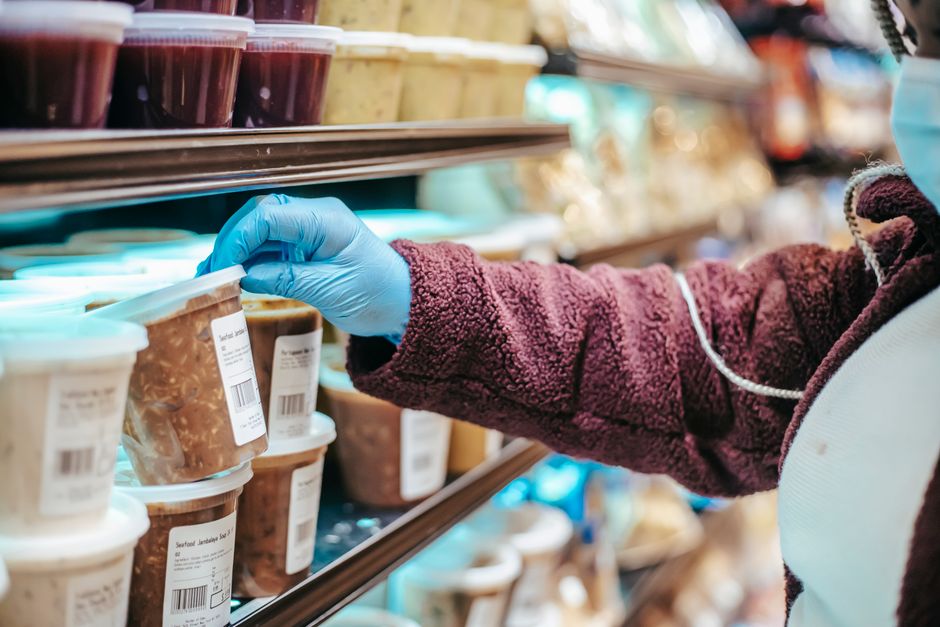
When at the grocery store, approach nutrition labels with a plan. Start by comparing similar products to find options that align with your dietary goals. For example, compare two brands of pasta sauce: check serving size, added sugars, and sodium. Often, store brands or organic versions may have different formulations. Make it a habit to read labels for key items you purchase regularly, as formulations can change over time. This practice can help you stay informed and make consistent choices.
Another strategy is to prioritize whole, minimally processed foods, which often do not require labels, such as fresh fruits and vegetables, plain meats, and whole grains. When buying packaged foods, use the label to select items with lower added sugars and sodium and higher fiber. For instance, choose a breakfast cereal with less than 5 grams of added sugars per serving and at least 3 grams of fiber. For snacks, look for nuts or seeds with no added sodium or sugar. These small swaps can add up over time.
It’s also helpful to involve the whole household in label reading. Teaching family members how to interpret labels can create a supportive environment for healthier eating. Additionally, using tools like the NutriGuide app or website can provide additional context and personalized insights, though individual needs vary. Remember that no single food determines the healthfulness of your diet; overall patterns matter. The goal is to make informed choices that fit your lifestyle and preferences, not to achieve perfection.
Finally, consider that nutrition science is evolving, and labels may be updated. Staying informed about changes, such as the recent addition of added sugars to the label, can help you adapt. If you have specific health conditions, consult a healthcare professional for guidance tailored to your situation. The information here is intended to empower you with knowledge, but it does not replace professional advice.