Building a Balanced Plate for Adults
Creating a balanced plate is a practical approach to meal planning that emphasizes proportion and variety. For adults, the goal is to combine different food groups in amounts that provide a range of nutrients without overemphasizing any single category. This method doesn’t require strict calorie counting or eliminating entire food groups; instead, it focuses on relative amounts of vegetables, proteins, grains, and fats.
The concept of a balanced plate is flexible and can be adapted to individual preferences, cultural traditions, and nutritional needs. It serves as a general guide rather than a rigid prescription. By understanding the typical proportions associated with each food group, adults can make informed choices that support energy levels and overall well-being. This article explores the roles of each component and offers a framework for building meals that align with long-term health goals.
It’s important to note that individual nutritional requirements vary based on factors such as age, activity level, metabolism, and health status. Therefore, any approach to meal planning should be personalized and, when necessary, discussed with a qualified healthcare provider. The information here is intended for educational purposes and does not replace professional medical advice.
The Rationale Behind Plate Proportions
The idea of dividing a plate into sections is not new, but it gained popularity as a visual tool to simplify healthy eating. Research suggests that the proportions of food groups can influence satiety, nutrient intake, and overall diet quality. A typical balanced plate allocates approximately half of the plate to vegetables and fruits, a quarter to lean proteins, and a quarter to whole grains, with a small amount of healthy fats added. This distribution aims to provide fiber, vitamins, minerals, protein, and essential fatty acids while moderating calories.
However, these proportions are not universal. They can be adjusted based on individual energy needs, dietary restrictions, and cultural food patterns. For example, someone with higher protein requirements might increase the protein portion, while someone managing blood sugar levels might emphasize non-starchy vegetables and moderate grains. The key is to view the plate as a flexible template that can be tailored to specific circumstances.
Moreover, the quality of foods within each group matters as much as the proportions. Selecting whole, minimally processed foods within each category can enhance the nutritional profile of the meal. For instance, choosing whole grains over refined grains, and fresh or frozen vegetables over canned options with added sodium, can make a difference. The balanced plate concept encourages a focus on overall patterns rather than isolated nutrients.
Vegetables and Fruits: The Foundation
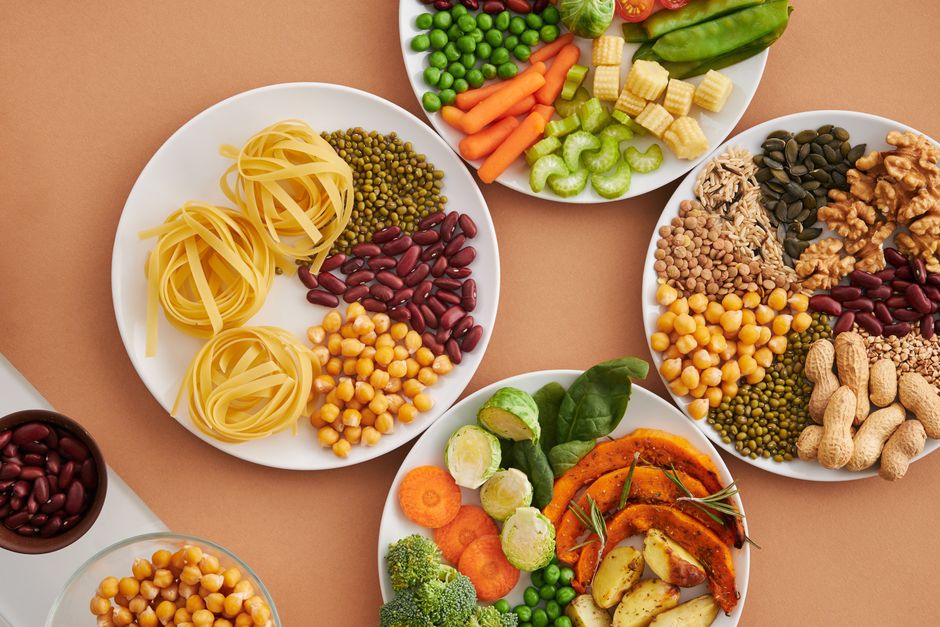
Vegetables and fruits typically occupy the largest section of a balanced plate, often about half. This emphasis is due to their high content of dietary fiber, vitamins, minerals, and phytonutrients, which are associated with various health benefits. They also tend to be lower in calories, which can help with managing energy intake. Including a variety of colors ensures a broader spectrum of nutrients.
When building a plate, consider incorporating both raw and cooked vegetables. Salads, steamed greens, roasted roots, or stir-fried mixes can add texture and flavor. Fruits can be included as part of the meal or as a dessert. It’s generally recommended to choose whole fruits over juices to retain fiber. For adults, the goal is to make vegetables and fruits a central part of the meal rather than a side thought.
Practical tips for increasing vegetable and fruit intake include:
- Fill half the plate with non-starchy vegetables like leafy greens, broccoli, peppers, or tomatoes.
- Add fruit to meals, such as berries in oatmeal or apple slices in salads.
- Experiment with different cooking methods to keep meals interesting.
While the half-plate guideline is common, some individuals may need to adjust based on medical conditions such as kidney disease, where certain vegetables and fruits might be restricted. In such cases, professional guidance is essential.
Protein Sources: Building and Repairing
Protein is essential for muscle maintenance, immune function, and various metabolic processes. On a balanced plate, protein foods typically occupy about a quarter of the plate. This can include animal sources like poultry, fish, eggs, and lean meats, as well as plant sources like beans, lentils, tofu, and tempeh. The choice of protein can influence the overall fat content and nutritional quality of the meal.
For adults, protein needs vary. Generally, a portion of about 3 to 4 ounces (about the size of a deck of cards) is often suggested for a meal, but this can be higher for active individuals or older adults who may need more to prevent muscle loss. Plant-based proteins often come with the added benefit of fiber and phytonutrients, while animal proteins provide complete amino acid profiles and vitamin B12.
When selecting proteins, consider preparation methods. Grilling, baking, or poaching can be healthier than frying. Processed meats, such as bacon and sausages, are often high in sodium and saturated fat and may be best limited. Including a variety of protein sources throughout the week can help ensure a broad nutrient intake.
Grains: Energy and Fiber
Grains, particularly whole grains, occupy another quarter of the plate. They provide carbohydrates, which are the body’s primary energy source, as well as fiber, B vitamins, and minerals. Whole grains like brown rice, quinoa, oats, and whole-wheat pasta are preferred over refined grains because they retain the bran and germ, which contain most of the nutrients.
A typical serving of grains on a balanced plate might be about 1/2 to 1 cup of cooked grains, depending on energy needs. For those with higher activity levels or greater energy requirements, this portion might be larger. Conversely, individuals managing blood sugar or weight may choose to moderate grain portions and emphasize non-starchy vegetables.
Incorporating whole grains can be simple:
- Choose whole-grain bread, pasta, and rice.
- Add barley or farro to soups and salads.
- Use oats for breakfast or as a base for savory dishes.
It’s worth noting that some people may need to limit grains due to specific health conditions, such as celiac disease or gluten sensitivity, and should seek appropriate alternatives.
Fats: Essential but in Moderation
Healthy fats are an important component of a balanced plate, though they are often used in smaller amounts. Fats provide essential fatty acids, help absorb fat-soluble vitamins, and contribute to satiety. Sources include olive oil, avocado, nuts, seeds, and fatty fish. On a plate, fats might appear as a drizzle of oil, a sprinkle of nuts, or a serving of avocado.
The type of fat matters. Unsaturated fats, especially monounsaturated and polyunsaturated fats, are generally considered more healthful than saturated and trans fats. For example, replacing butter with olive oil or choosing nuts over cheese can improve the fat profile of a meal. However, all fats are calorie-dense, so portion awareness is helpful.
Practical ways to include healthy fats:
- Use olive or canola oil for cooking and dressings.
- Top salads with seeds or nuts.
- Add avocado to sandwiches or bowls.
As with other components, individual needs for fats can vary. Some medical conditions may require specific fat modifications, so consulting a healthcare professional is advisable.
Putting It All Together: Flexibility and Personalization
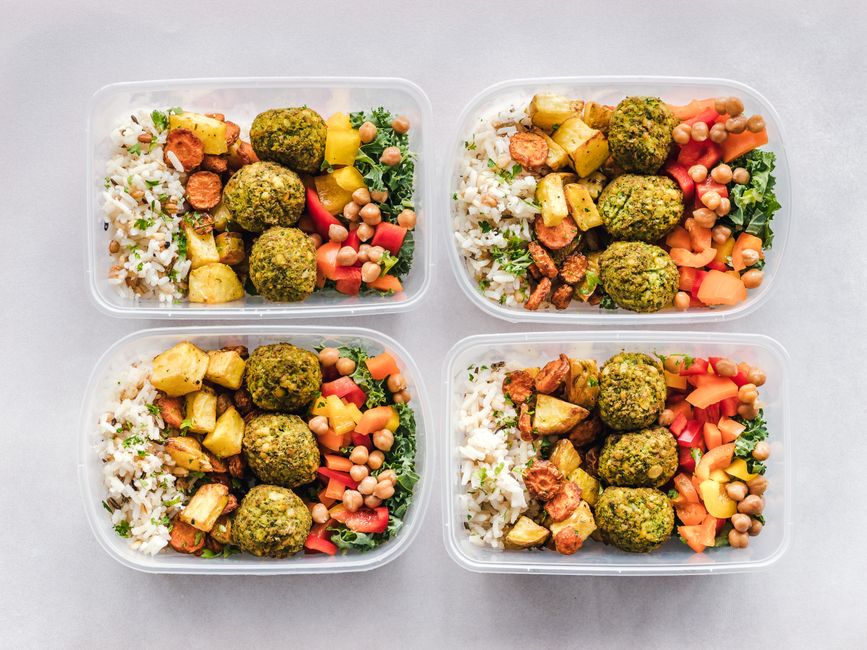
Building a balanced plate is ultimately a flexible framework. The proportions described are general guidelines, not strict rules. Adults can adapt them based on personal preferences, cultural foods, budget, and health goals. For example, a Mediterranean-style plate might feature more olive oil and fish, while a vegetarian plate might emphasize legumes and whole grains.
It’s also important to consider the overall context of eating. Meals are not just about nutrients; they are social, cultural, and enjoyable. The balanced plate concept can be a tool to support health without sacrificing pleasure. Mindful eating practices, such as paying attention to hunger and fullness cues, can complement the plate method.
For those with specific health concerns, working with a registered dietitian or healthcare provider can help tailor the approach. NutriGuide offers educational resources that align with these principles, emphasizing evidence-based information and practical tips. However, individual results may vary, and no single approach works for everyone. The key is to find a sustainable pattern that supports long-term health and well-being.